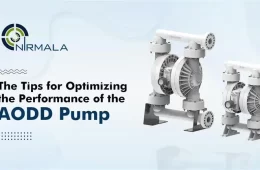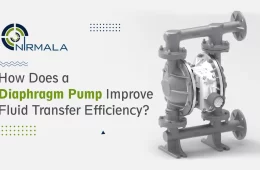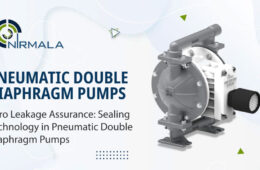
Air operated double diaphragm pumps, often called AODD pumps are a versatile and reliable solution for handling a wide variety of liquids across industrial, commercial, and process applications. These pneumatic pumps are known for their simplicity, robustness, and ability to transfer fluids without electricity, making them especially useful in environments where electrical systems pose safety risks or aren’t practical. In this blog, we’ll explain how an AODD pump works.
What Is an Air Operated Double Diaphragm Pump?
It is a type of positive displacement pump powered entirely by compressed air. Unlike centrifugal pumps or electric motor-driven alternatives, AODD pumps use air pressure to move two flexible diaphragms back and forth, creating suction and discharge cycles that draw fluid in and push it out.
These pumps are commonly used in industries such as chemical processing, wastewater treatment, paint and coatings, food and beverage, mining, and pharmaceutical manufacturing because they can:
- Handle abrasive, viscous, and solids-laden liquids
- Run dry without damage
- Self-prime without auxiliary systems
- Operate in explosive or flammable environments
- Be positioned in various orientations (upright, sideways, inverted)
Basic Working Principle of AODD Pump
The core idea behind an air operated double diaphragm pump is alternating suction and discharge cycles powered by compressed air, rather than a mechanical shaft or electric motor. This enables continuous fluid movement with each stroke.
Here’s how it works step-by-step:
1. Compressed Air Powers the Pump
Compressed air enters the pump’s air distribution system. This air controls which diaphragm chamber receives pressurized air at any given time. The diaphragms are connected by a common shaft or thrust rod, ensuring they move in sync.
2. Creating Suction and Discharge
When compressed air is directed into the back of one diaphragm (Diaphragm A), it pushes that diaphragm outward. This movement forces fluid out of the chamber through an outlet check valve and into the discharge line.
At the same time, the opposite diaphragm (Diaphragm B) is pulled inward by the linked shaft. This inward movement creates a vacuum in Diaphragm B’s chamber, drawing fluid into the pump through an inlet check valve.
3. Air Valve Shifts and Continues the Cycle
Once Diaphragm A reaches the end of its stroke, the air distribution system redirects the compressed air to the back of Diaphragm B. This reversal pushes Diaphragm B outward — discharging fluid — and pulls Diaphragm A inward to refill its chamber.
This back-and-forth cycle repeats continuously as long as compressed air is supplied, producing a steady pumping action even across challenging liquids.
Key Components of Air Operated Double Diaphragm Pump
Understanding how these pumps operate involves knowing the main parts:
- Diaphragms: Flexible membranes (often PTFE, rubber, or elastomer) that flex to create suction and discharge.
- Air Distribution Valve: Guides compressed air alternately to each diaphragm chamber.
- Check Valves (Balls or Flaps): One-way valves at each diaphragm chamber’s inlet and outlet that control fluid flow direction.
- Central Shaft/Thrust Rod: Connects diaphragms so movement on one side triggers the other’s motion.
What Makes AODD Pumps Special?
Air Operated Double Diaphragm Pumps differ from many traditional pumps because they offer several built-in benefits that make them highly adaptable:
Self-Priming Capability
AODD pumps don’t require manual priming, the suction generated by diaphragm action draws fluid into the chambers automatically. This makes installation and restart simpler in many operational contexts.
Dry Running Without Damage
Unlike many mechanical pumps that need liquid lubrication to avoid overheating or seal failure, air operated diaphragm pumps can run dry without damage due to their pneumatic design.
Handling Harsh Fluids
The absence of mechanical seals and the use of flexible diaphragms make AODD pumps suitable for abrasive slurries, viscous fluids, and even corrosive chemicals.
Safety in Hazardous Environments
Since AODD pumps run on compressed air and don’t produce sparks or heat from electrical motors, they are often used in applications involving flammable liquids or volatile environments.
Practical Applications and Use Cases
Because of their rugged design and flexibility, air operated double diaphragm pumps are widely used in:
- Chemical transfer and processing
- Wastewater and sludge pumping
- Food and beverage liquid handling
- Paint, ink, and solvent dispensing
- Heavy abrasive slurry movement
- Pharmaceutical processing
Conclusion
Air operated double diaphragm pumps offer an efficient, safe, and flexible solution for fluid handling in countless industrial scenarios. Powered by compressed air and driven by alternating diaphragm motion, these pumps deliver steady, positive displacement flow with minimal maintenance. Whether you’re dealing with corrosive chemicals, viscous slurries, or sensitive materials, a well-designed AODD pump can deliver reliable performance without many of the limitations of traditional motor-driven pumps.
For more detailed specifications and to explore industry-ready models, manufacturers like Nirmala Pumps & Equipments provide a wide range of robust air operated double diaphragm pumps suitable for diverse applications.

Nirmala Pumps & Equipments
Nirmala Pumps & Equipments is an Indian company that manufactures and supplies pump systems, valves, strainers, and pneumatic pumps since 1989. We provide services to different industries, both domestically and internationally, such as citrus, distilling, wastewater treatment, and petroleum.