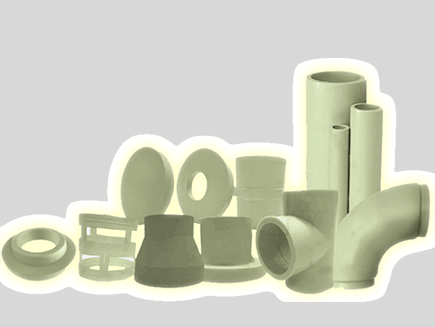
Technical Data For PPH Pipes
| PPH PIPE | ||||
|---|---|---|---|---|
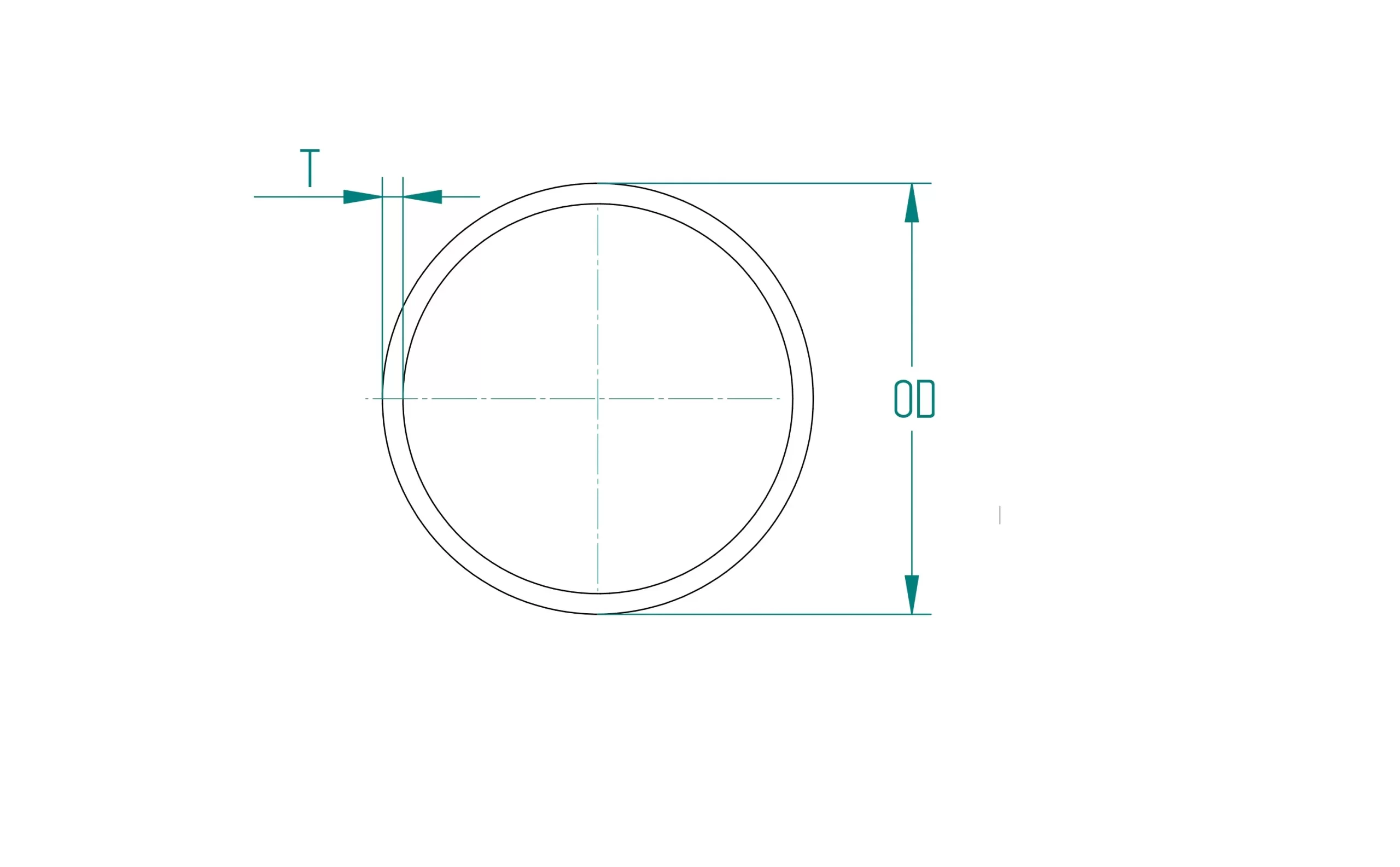
| INCH | NB MM | OD MM | Wall Thickness (T) / Weight PN10 | Wall Thickness (T) / Weight PN16 |
| 3/8″ | 10 | 16 | – | 2.2 mm / 0.0868 kg/m |
| 1/2″ | 15 | 20 | 1.9 mm / 0.0983 kg/m | 2.8 mm / 0.1425 kg/m |
| 3/4″ | 20 | 25 | 2.3 mm / 0.1584 kg/m | 3.5 mm / 0.2333 kg/m |
| 1″ | 25 | 32 | 2.9 mm / 0.2859 kg/m | 4.4 mm / 0.4348 kg/m |
| 1 1/4″ | 32 | 40 | 3.7 mm / 0.5446 kg/m | 5.5 mm / 0.8123 kg/m |
| 1 1/2″ | 40 | 50 | 4.6 mm / 0.8406 kg/m | 6.9 mm / 1.2637 kg/m |
| 2″ | 50 | 63 | 5.8 mm / 1.4769 kg/m | 8.6 mm / 2.1878 kg/m |
| 2 1/2″ | 65 | 75 | 6.8 mm / 1.9166 kg/m | 10.3 mm / 3.2087 kg/m |
| 3″ | 80 | 90 | 8.2 mm / 3.0265 kg/m | 12.3 mm / 4.4128 kg/m |
| 4″ | 100 | 110 | 10 mm / 4.9846 kg/m | 15.1 mm / 7.5276 kg/m |
| 5″ | 110 | 125 | 11.4 mm / 6.3349 kg/m | 17.1 mm / 9.7506 kg/m |
| 6″ | 150 | 160 | 12.7 mm / 9.15 kg/m | 19.2 mm / 12.9306 kg/m |
| 8″ | 200 | 220 | 14.6 mm / 8.5732 kg/m | 21.9 mm / 12.4028 kg/m |
Nirmala Pumps & Equipments established in 1989
Polypropylene is the most widely used material for chemical- technical applications. Compared to PE, it displays greater rigidly particularly in the upper service temperature range (up to + 100 ° C). Its key characteristics also include excellent chemical resistance, good long term properties when exposed to various substances and high stress crack resistance.
There are two types of polypropylene: Homo polymers (PP-H) and copolymers (PP-C). PP-H consists entirely of a combination of propylene monomers and covers a service temperature range 0 °C to +100° C, PP-C features a chemical combination of propylene monomers and ethylene monomers, which increases the material’s impact strength at low temperature. PP-C covers a service temperature range from -20 °C to +80 °C and is less rigid from than PP-H.
DATA SHEET FOR PPH Pipes
- Considerable reduction in pressure loss due to improved hydraulic properties.
- Significantly lower risk of particle deposits and bacteria due to ultra-smooth surfaces.
- Potential cost-savings as a result of extended intervals between cleaning.
- Many different potential uses due to a service temperature range from 0° C to + 100 °C, depending on the application.
- Safe installation and assembly of pipe due to improved impact strength, even at low temperatures up to 0°
- Longer service life due to enhanced chemical resistance and minimized risk of stress cracks.
- Greater safety margin due to improved weld quality.
- Higher degree of safety when welding pipes in locations that are difficult to access.
- Acid fillings stations
- Effluent Treatment/Disposal Plant
- Laboratories
- Refineries
- Automotive Industry
- Electroplating Plants
- Nuclear Research Centers
- Textile Mills
- Chemical Industry
- Food and Beverage
- Paper & pulp mills
- Thermal baths
- Construction (Plumbing)
- Galvanizing Plants
- Pharmaceuticals Industry
- Desalination plants
- Pickling lines
- Suction and Exhaust pipelines
- Lined piping ( Mild Steel + PPH / PVDF)
- Water, Effluent, Chemical Transport
- Storage tank for chemicals
- Hoods, fume ducts
| SIZE (INCH) | OD (MM) | PRESSURE RATING (kg/cm²) | ||||
|---|---|---|---|---|---|---|
| 2.5 | 4 | 6 | 10 | 16 | ||
| ½” | 20 | 2.5 | 2.8 | |||
| ¾” | 25 | 2.7 | 3.5 | |||
| 1” | 32 | 3.0 | 4.5 | |||
| 1 ¼” | 40 | 3.7 | 5.8 | |||
| 1 ½” | 50 | 2.9 | 4.6 | 6.9 | ||
| 2” | 63 | 3.6 | 5.8 | 8.7 | ||
| 2 ½” | 75 | 4.3 | 6.9 | 10.4 | ||
| 3” | 90 | 3.5 | 5.1 | 8.2 | 12.5 | |
| 4” | 110 | 4.3 | 6.3 | 10.0 | 15.2 | |
| 6” | 160 | 3.9 | 6.2 | 9.1 | 14.6 | 22.1 |
| PPH MATERIAL PROPERTIES | |
|---|---|
| Moulding compound extruded | PP-H, ECH, 16-09-003 |
| Extruded to moulding compound standard | DIN EN ISO 19069-1 |
| Moulding compound pressed | PP-H, QCH, 16-09-003 |
| Pressed to moulding compound standard | DIN EN ISO 19069-1 |
| Density (g/cm³) | 0.910 |
| Tensile modulus of elasticity (MPa) | 1700 |
| Yield stress (MPa) | 33 |
| Elongation at yield (%) | 8 |
| Impact strength (kJ/m²) | Without break |
| Notched impact strength Charpy (kJ/m²) | 9 |
| Shore hardness D (15 s) | 72 |
| Mean coefficient of linear thermal expansion (K⁻¹) | 1.6 × 10⁻⁴ |
| Surface resistivity (Ohm) | ≥ 10¹³ |
| Temperature range (°C) | 0 to +100 |
| Fire behaviour | DIN 4102 B2 normal flammability (self-assessment without test certificate) |
| Food compliance EU 10/2011 | Yes |
| Food compliance FDA | Yes |