Quick Summary
Sight glass valves give operators a clear window into a pipeline or vessel, so they can see what is flowing without opening the line or taking a sample. This helps confirm flow, spot air bubbles, notice colour changes and catch contamination early. They are simple, low in maintenance and widely used in chemical, pharma, food, power and oil and gas plants. The right choice depends on the fluid, pressure, temperature, connection and safety needs.
Table of Contents
Introduction
In many plants, the fluid inside a pipe is a mystery. Gauges show pressure and temperature, but they do not show what the liquid actually looks like. Is it clear or cloudy? Is it flowing steadily or in bursts? Is there foam, sediment or air in the line?
Operators often find out only after a batch is spoiled or a pump gets damaged. Sight glass valves solve this problem by giving a direct, real-time view of the process. This blog explains how they work and how they make monitoring simpler and more reliable.
What Are Sight Glass Valves?
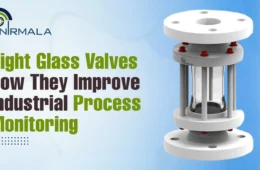
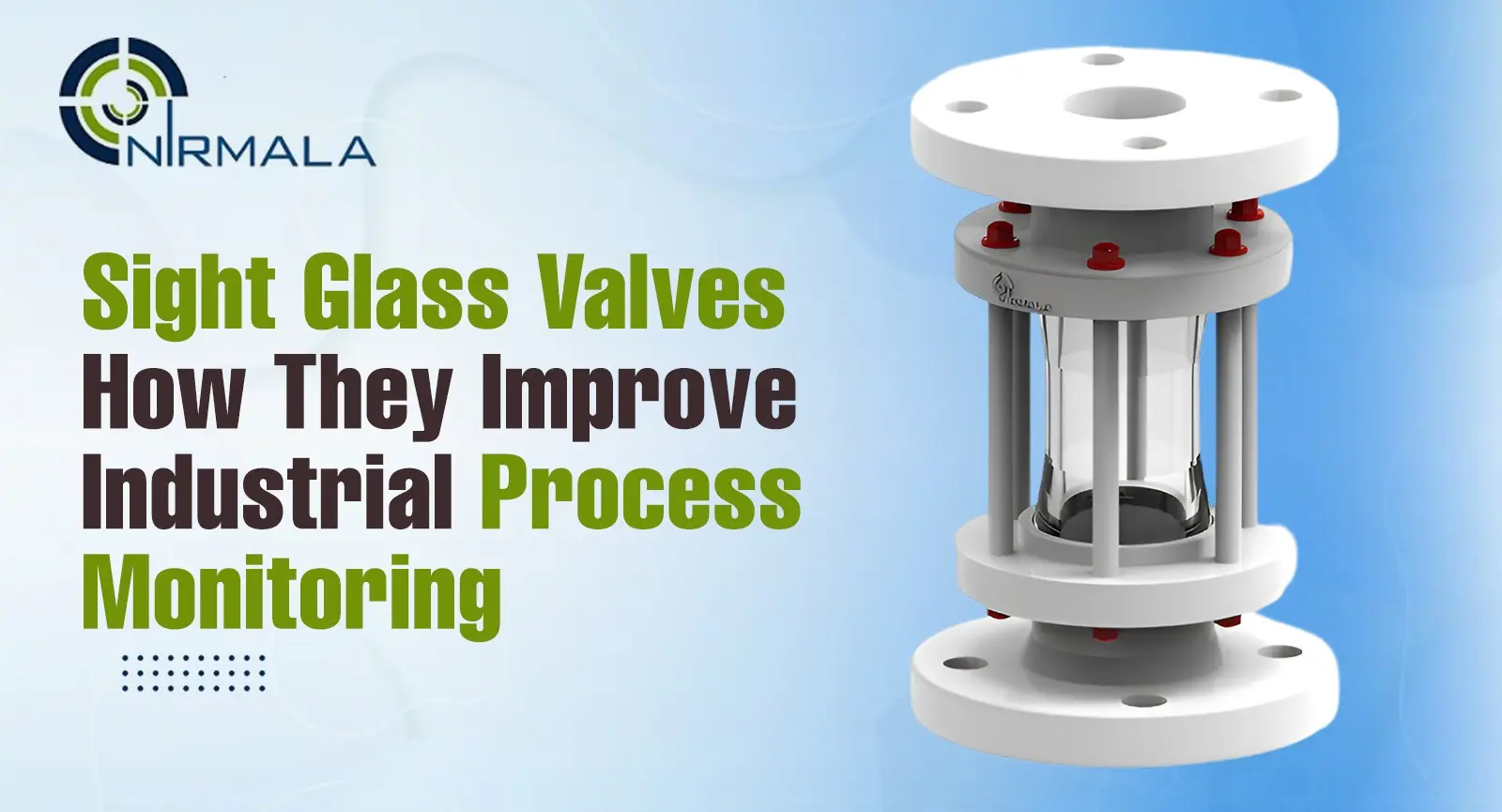
These valves or line fittings include a transparent window, usually made of strong glass, so that the fluid inside can be seen from outside. The window is fitted into a metal body and sealed to withstand the pressure and temperature of the process.
In simple words, it works like a small window in a pipe. An industrial sight glass valve lets an operator check the flow, colour and condition of a liquid or gas without stopping the line. In many plants, the same idea is also used on tanks and vessels, where a sight glass is paired with isolating valves to show the liquid level.
The term is used in different ways in the market. Some people mean a flow sight glass in a pipeline, and others mean a level gauge with shut-off valves. Both serve the same purpose, which is to make the process visible.
How Sight Glass Valves Improve Process Monitoring
Here is what they add to a plant.
- Instant confirmation of flow: operators can see at a glance whether the liquid is moving.
- Early warning of problems: bubbles, discolouration and sediment are noticed before they cause damage.
- Quality control: a visual check supports product quality in food, pharma and chemical lines.
- Safer checks: fewer samples and fewer line openings mean less exposure to hazardous fluids.
- Faster troubleshooting: maintenance teams find the problem area quickly.
- Support for cleaning: operators can confirm clean-in-place steps by sight.
- Pump protection: a quick look can show that a pump is priming correctly.
- Low cost and low maintenance: the fitting is cheap compared with complex instruments.
- A useful backup: it keeps working even when an electronic instrument fails.
They do not replace flow meters or level transmitters, because they do not give exact readings. But they add a simple, reliable layer of checking that works well alongside them.
Common Types
- Tubular sight glass: a glass tube between two end fittings, giving a full view of the flow.
- Flanged window type: a metal body with one or two windows, fitted between pipe flanges.
- Flow indicator with flap or rotor: shows both flow and its direction, even for clear liquids.
- Double window with light: has a window on each side, so a lamp can light the fluid from behind.
- Sanitary (tri-clamp) sight glass: made for food, dairy and pharma lines that need easy cleaning.
- Level gauge with valves: a vertical glass on a vessel, with isolation valves at the top and bottom.
- Sight glass with wiper: a built-in wiper cleans the glass when fluid leaves deposits.
Where They Are Used
- Chemical and petrochemical plants: checking transfer lines and reactors.
- Pharmaceutical units: watching clean fluid lines.
- Food, dairy and beverage plants: checking product flow and cleaning cycles.
- Oil and gas and refineries: lube oil lines, fuel and process piping.
- Power plants: boiler feed, condensate and cooling systems.
- Water and wastewater treatment: dosing and process lines.
- Paint and coating units: observing viscous liquids.
- Machine lubrication systems: confirming oil flow to bearings.
Materials to Consider
- Glass: borosilicate glass is common because it handles heat and pressure well. Tougher plants may use toughened glass or other special materials.
- Body: carbon steel for general use, stainless steel for corrosive or hygienic service, and lined or special alloys for aggressive chemicals.
- Seals and gaskets: PTFE, EPDM or Viton, chosen to match the fluid.
- Connections: flanged, threaded, welded or clamp, depending on the line.
A wrong material can cause leaks, glass cracks or contamination, so the fluid and conditions should always be checked first.
How to Choose the Right Sight Glass Valve
Use this checklist before you buy.
- Fluid type: liquid, gas, steam, slurry, corrosive or hygienic.
- Pressure and temperature: include the highest values, as well as any spikes.
- Line size and connection: match the pipe size and the standard of the flanges.
- Visibility needed: a simple window, or a flow indicator for clear fluids.
- Lighting: consider a lamp for dark lines.
- Materials: body, glass and seals, matched to the fluid.
- Safety: protective guards or shields for hazardous or high-pressure service.
- Standards and certificates: ask for test reports and compliance with relevant standards.
- Ease of service: how simple is it to clean the glass or change the gasket?
If you are not sure, share the fluid details and operating conditions with the supplier, and ask them to recommend a model.
Conclusion
Sight glass valves may look like a small addition to a pipeline, but they give operators a clear view of what is really happening inside. They help spot contamination, flow problems and process changes early, and they reduce the need for sampling. Choosing the right material, rating and design at the start keeps them reliable for years. If you are searching for durable valves, you can get it from a reputed brand like Nirmala Pumps and Equipment. Visit their website to explore their products.
Frequently Asked Questions
What is a sight glass valve?
It is a valve or line fitting with a transparent window, which lets operators see the fluid inside a pipe or vessel without opening it.
What is a sight glass used for in a pipeline?
It is used to check flow, colour, clarity and the presence of bubbles, foam or contamination, so that problems can be caught early.
How does a sight glass work?
The fluid passes through or fills a chamber behind a strong glass window. The operator looks through the window and sees the fluid’s condition. Some types add a flap or rotor to show movement.
What is the difference between a sight glass and a flow meter?
A sight glass gives a visual check only. A flow meter measures the actual flow rate. Many plants use both together.
What materials are used in sight glass valves?
Bodies are made of carbon steel, stainless steel or special alloys. The glass is usually borosilicate, and the seals are made of PTFE, EPDM or Viton, depending on the fluid.
Are sight glasses safe for high-pressure lines?
Yes, if they are rated for the pressure and temperature. For hazardous or high-pressure service, use protective shields and follow the maker’s limits.
Can a sight glass be used with steam or hot liquids?
Yes, if it is designed for those temperatures. Choose the glass, gasket and body materials for the actual conditions, and avoid sudden temperature changes.

Nirmala Pumps & Equipments
Nirmala Pumps & Equipments is an Indian company that manufactures and supplies pump systems, valves, strainers, and pneumatic pumps since 1989. We provide services to different industries, both domestically and internationally, such as citrus, distilling, wastewater treatment, and petroleum.