Introduction
Pastes, slurries, adhesives, creams, resins — none of these behave like water, and a pump built with water in mind struggles the second viscosity goes up. Here’s why an Air Operated Diaphragm Pump handles these fluids so much better than most alternatives.Why Thick Fluids Break Most Conventional Pumps?
 Centrifugal pumps move fluid using speed — an impeller spins fast and flings the liquid outward. That works fine for water, but it falls apart as viscosity rises:
- Flow and pressure drop off fast once the fluid starts thickening
- The impeller has to work harder for the same output, which just wastes energy
- Tight clearances inside the pump clog easily with thick or solids-laden liquid
- High shear forces inside the pump can actually damage delicate products
How an Air Operated Diaphragm Pump Handles Thick Fluids?
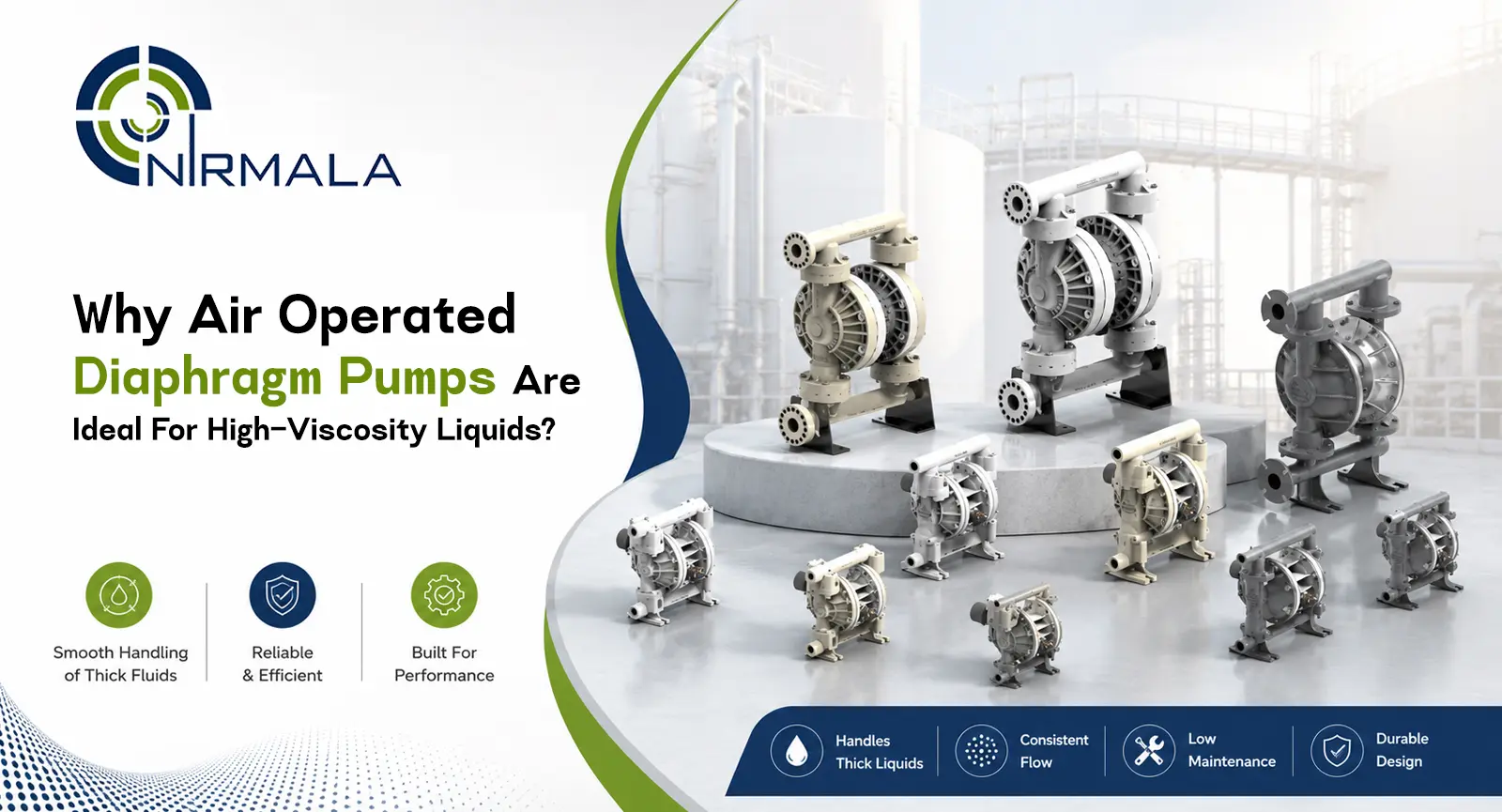
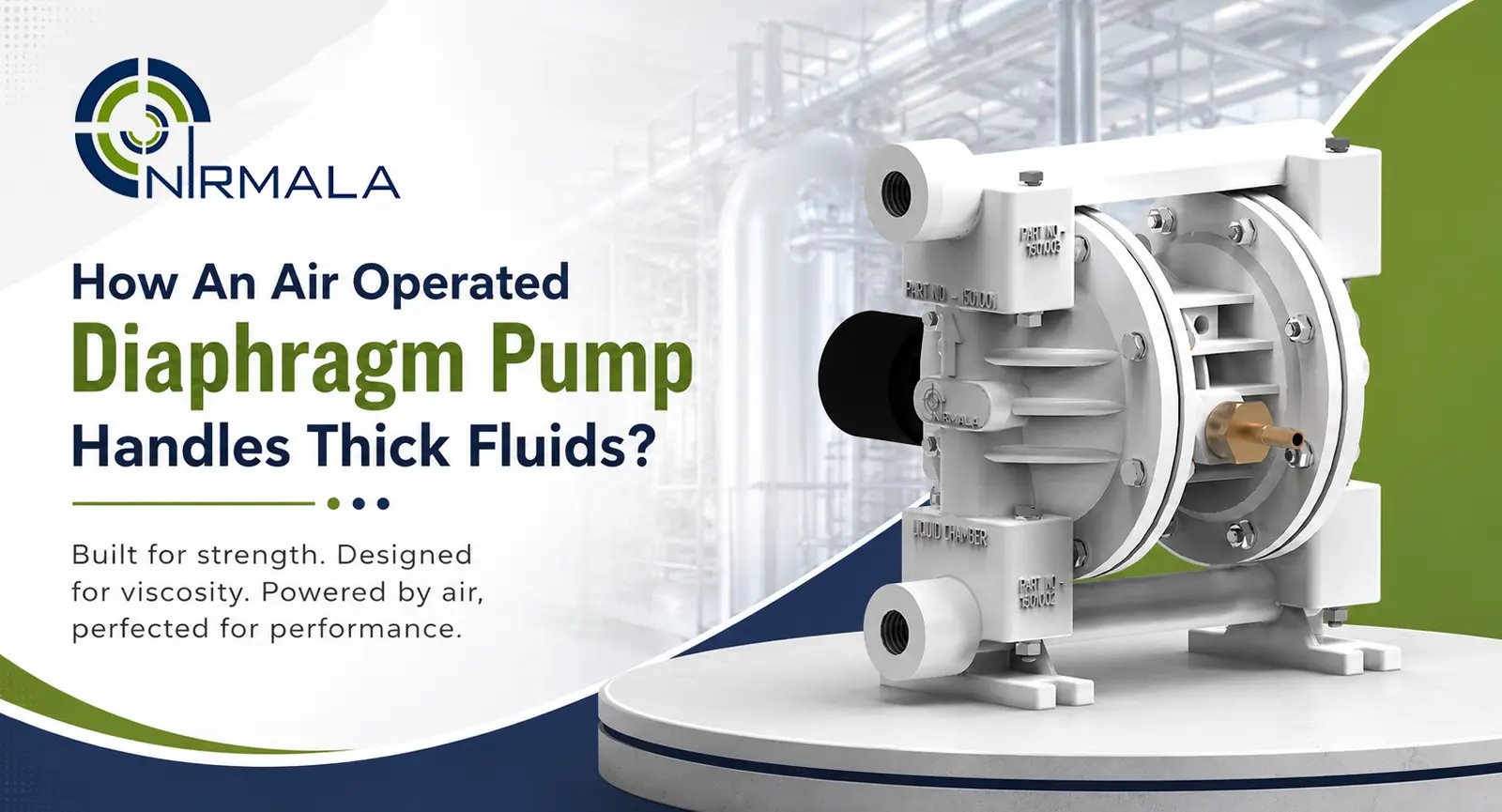
Instead of spinning, an Air Operated Diaphragm Pump uses compressed air to push two flexible diaphragms back and forth — one pulls fluid in while the other pushes it out, then they swap. That’s why it’s so good with viscous fluids:- It moves a fixed amount per stroke, no matter how thick the fluid is
- Big internal clearances mean thick or chunky liquids pass through without clogging
- Strong self-priming suction helps pull heavy fluid up into the pump, which is usually the hardest part
- You can slow the stroke rate down for really thick products, giving each chamber time to fill properly
Why It’s Gentle on Shear-Sensitive Products?
A lot of thick fluids — creams, gels, food purees, polymer solutions — are also shear-sensitive, meaning too much mechanical force breaks down their texture. This is where diaphragm pumps shine:- No spinning impeller or shaft touching the fluid at all
- The diaphragm motion is smooth and cyclical, not turbulent
- Running the pump slower for thicker products cuts shear stress even further
- The product comes out the other end the way it went in — same texture, same consistency
Where You’ll Typically Find These Pumps in Use?
You’ll find an Air Operated Diaphragm Pump doing heavy lifting in a lot of industries that deal with awkward, thick, or delicate fluids:- Chemical processing — resins, polymers, viscous process fluids
- Food and beverage — sauces, purees, pastes, thick syrups
- Personal care and cosmetics — creams, gels, lotions
- Paints, inks, and coatings — pigment-heavy, viscous mixes
- Adhesives and sealants — sticky products that would gum up other pump types
What to Check Before You Buy One for a Viscous Fluid?
Not every diaphragm pump is set up the same way, so a few things are worth checking before you commit:- Diaphragm material — needs to suit the fluid chemically and handle any abrasive particles
- Port and chamber size — bigger ports mean less restriction when pushing thick fluid through
- Suction lift capability — matters a lot if you’re pulling fluid up from a drum, tank, or sump
- Air supply — enough pressure and volume to keep flow steady as viscosity climbs
- Stroke rate control — you want the option to slow things down for really thick or delicate products
Pumps for Reliable Fluid Transfer
Nirmala Pumps makes a range of Air Operated Diaphragm Pump models built for exactly this kind of work — thick, sticky, shear-sensitive, or solids-loaded fluids across chemical, food, and industrial applications. Take a look at the full range at https://www.nirmalapumps.com/air-diaphragm-pump/, or reach out to Nirmala Pumps and talk through what you need.Frequently Asked Questions

Nirmala Pumps & Equipments
Nirmala Pumps & Equipments is an Indian company that manufactures and supplies pump systems, valves, strainers, and pneumatic pumps since 1989. We provide services to different industries, both domestically and internationally, such as citrus, distilling, wastewater treatment, and petroleum.